Beyond the Swoosh: The Case for Brand Diversity in NBA Uniforms
For the 2025-26 season and also way beyond, the National Basketball Association will continue its exclusive apparel partnership with Nike, which outfits 29 teams, and its subsidiary, Jordan Brand, which supplies the Charlotte Hornets. This single-provider model centralizes the league's on-court aesthetic and offers significant advantages in marketing cohesion and logistical management. However, it also presents a stark contrast to the multi-brand systems common in other global sports, raising an discussion about the trade-offs between standardization and competition.
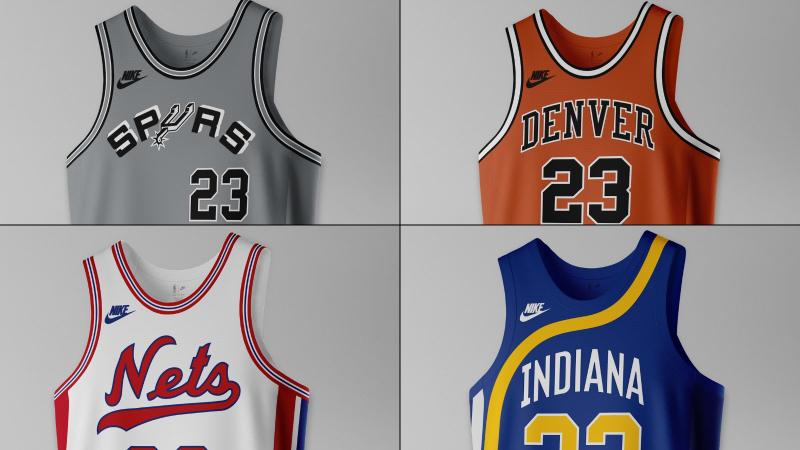
Under an exclusive partnership like in the NBA with Nike, design and technological development are driven internally by one company. A key outcome of this model is the potential for design templates - standardized jersey constructions and graphic layouts applied across multiple teams. This inherently limits the range of aesthetic diversity within the league. The creative direction for all 30 franchises originates from a single source.
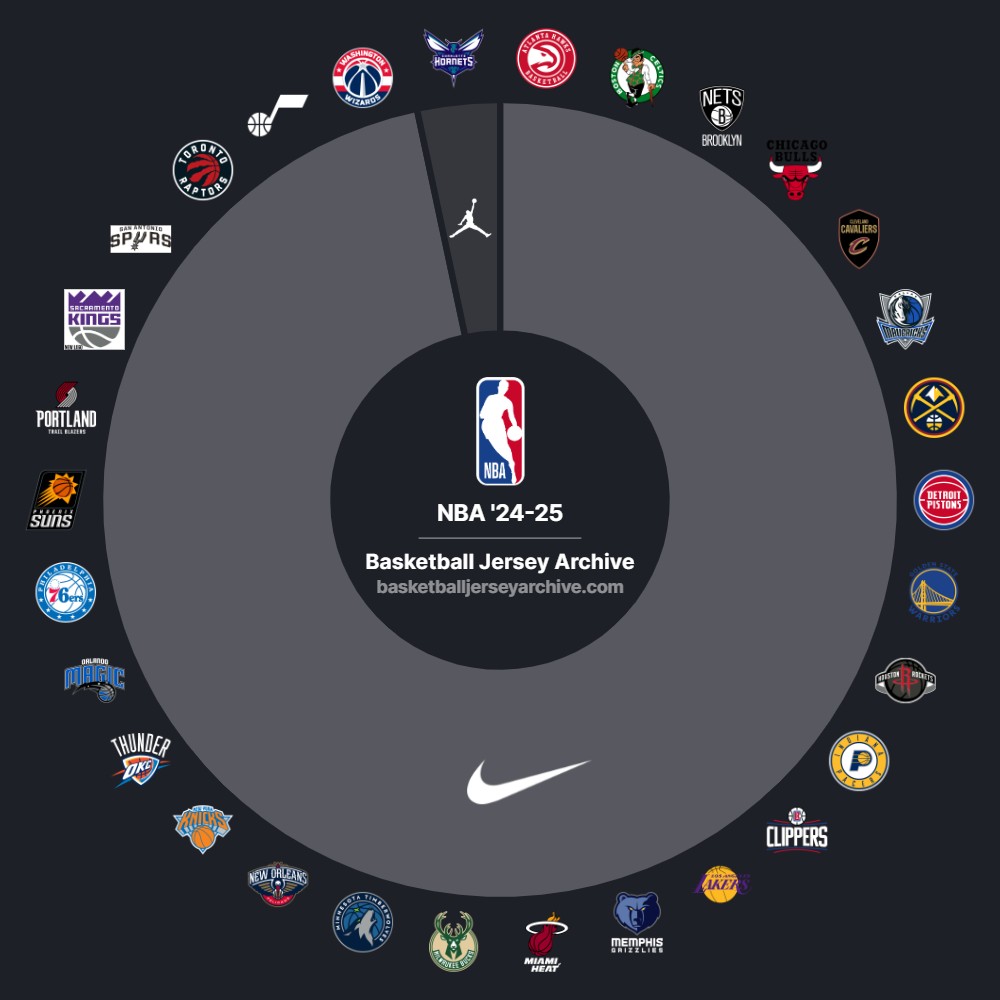
A multi-brand system operates on the principle of open-market competition. In this model, individual teams negotiate their own apparel contracts. This structure incentivizes manufacturers to innovate in two primary areas: technology and design. A competitive market forces brands to earn partnerships, driving innovation beyond generic templates. To secure a deal, a brand must offer superior performance materials or a distinctive design tailored to a team's identity.
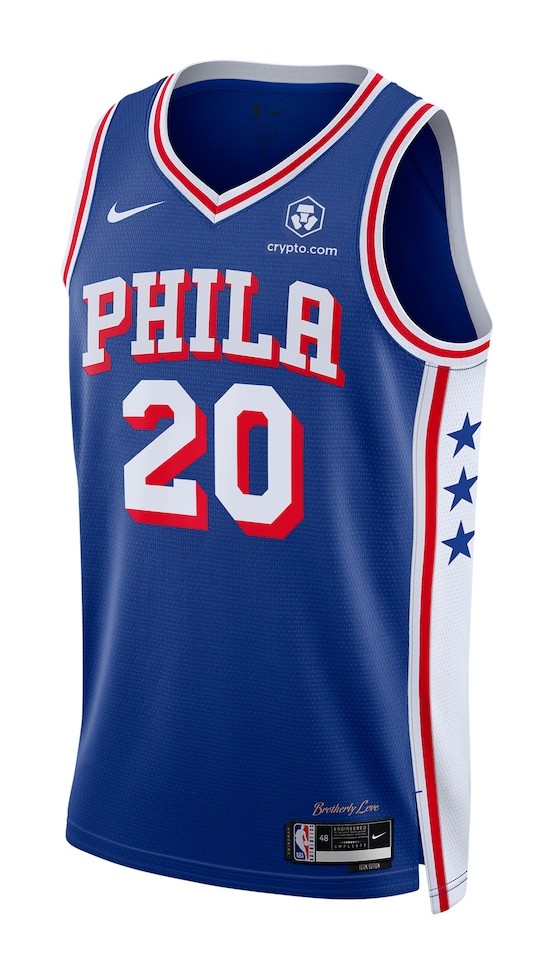
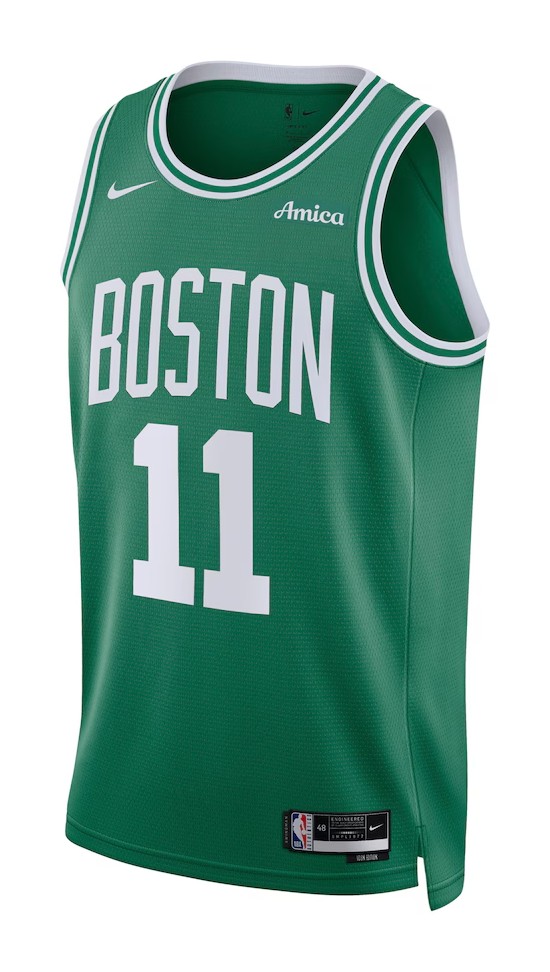
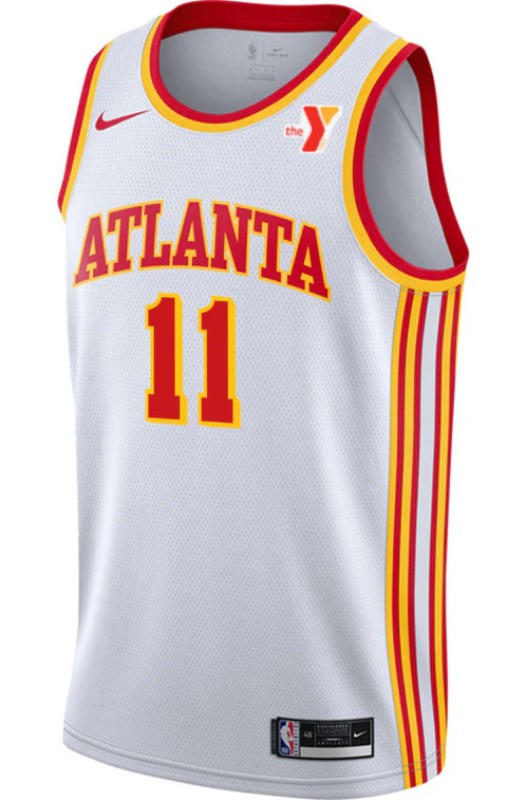
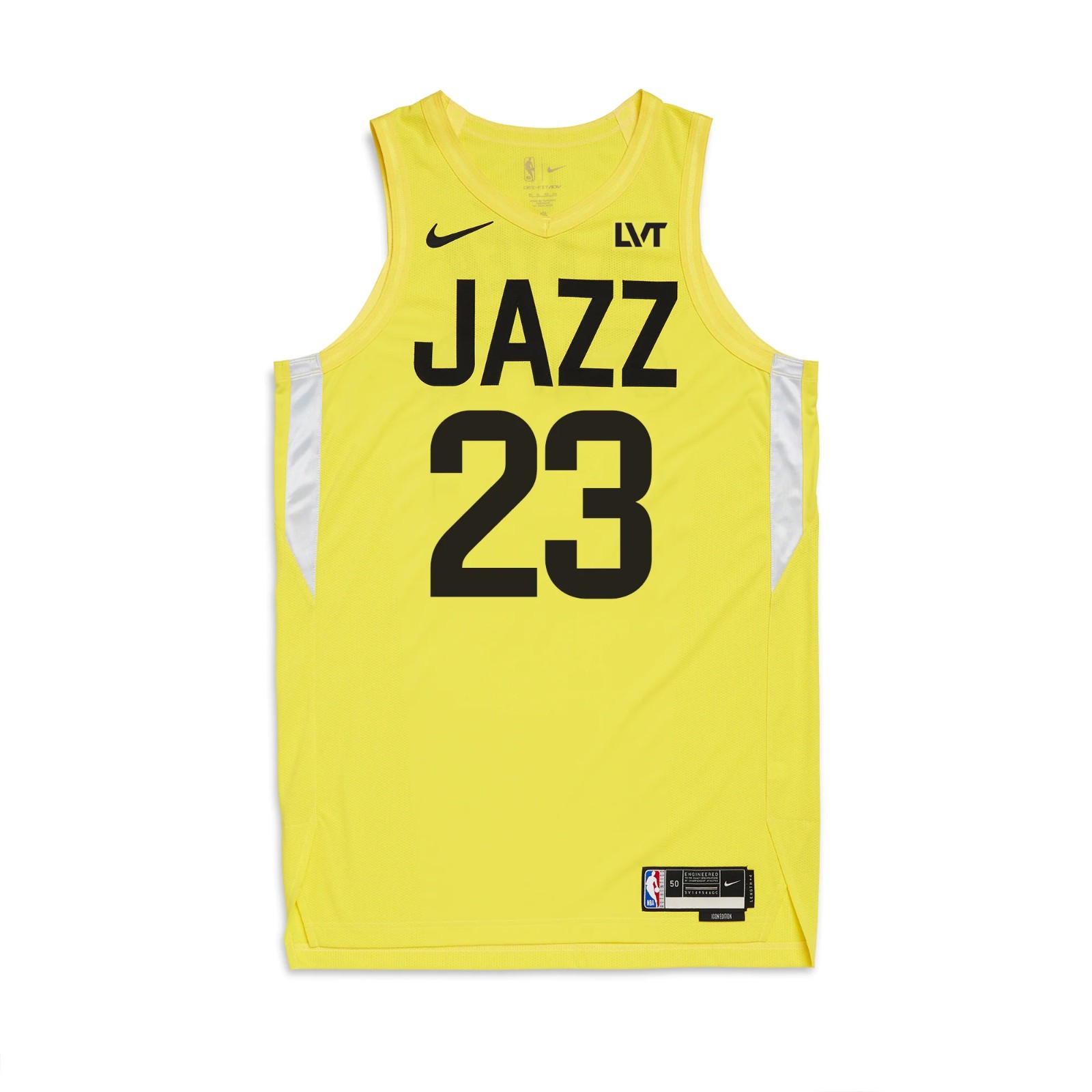
Example - UEFA Champions League:
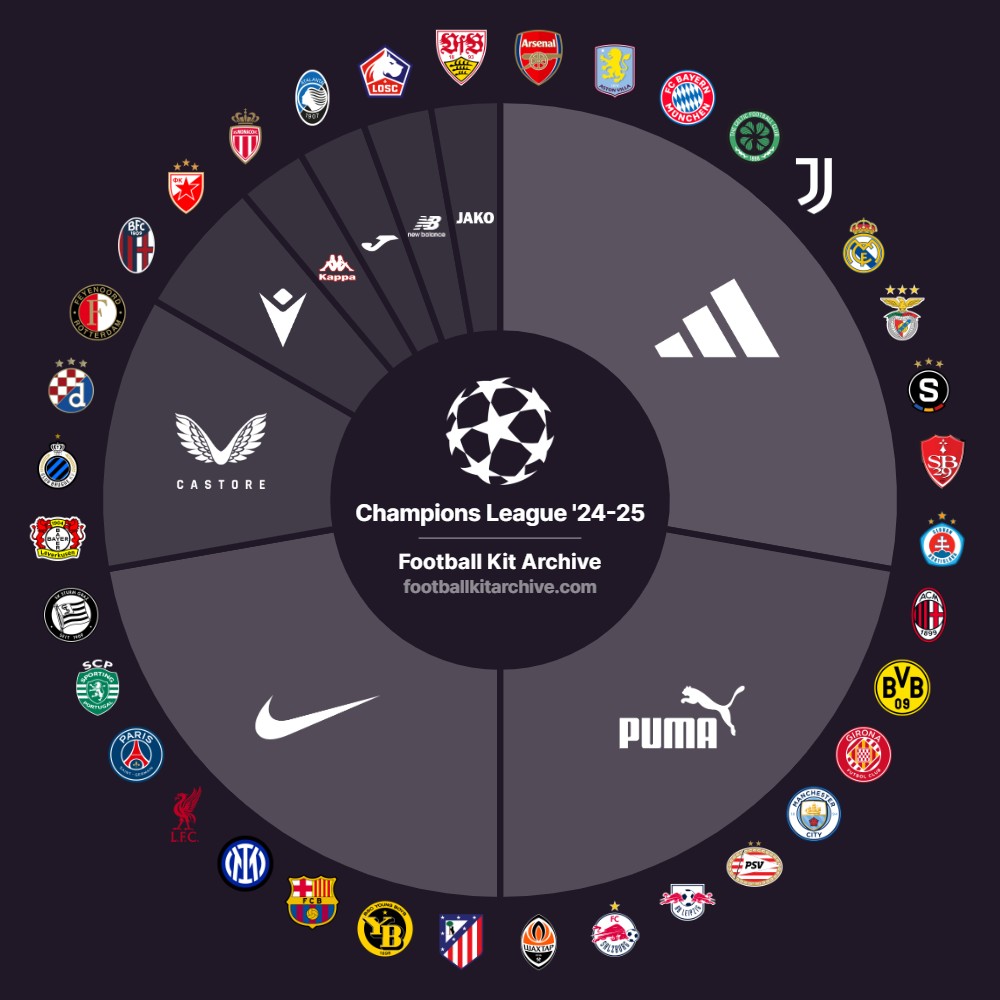
A practical example of a multi-brand ecosystem is the 2024-25 season of the UEFA Champions League. An overview of its participating teams shows a diverse field of manufacturers. Industry leaders like Nike, Adidas, and Puma hold significant shares but compete directly with brands such as Castore, New Balance, and Kappa. The result of this competition is a wide variance in kit design, from traditional styles to modern, graphic-intensive aesthetics. This model demonstrably increases the scope of visual differentiation and creativeness among teams.
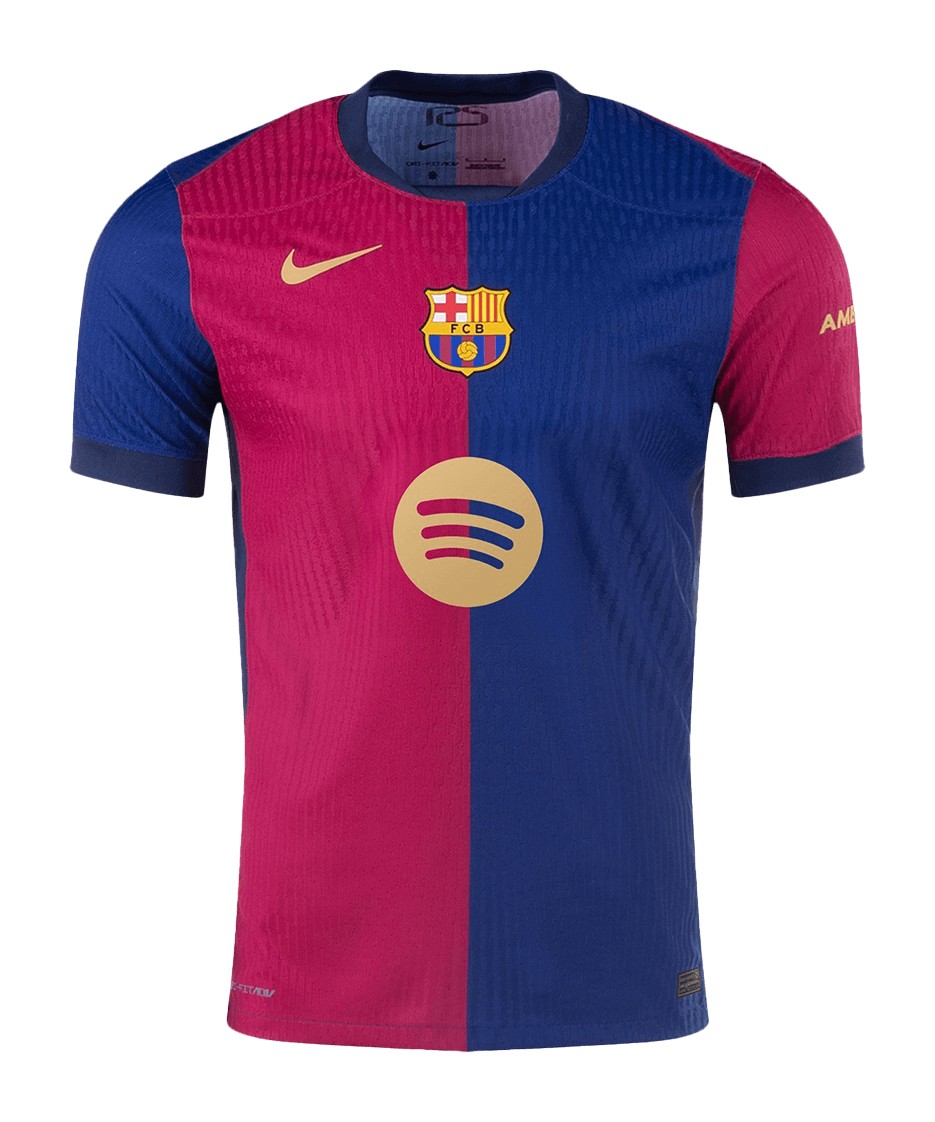
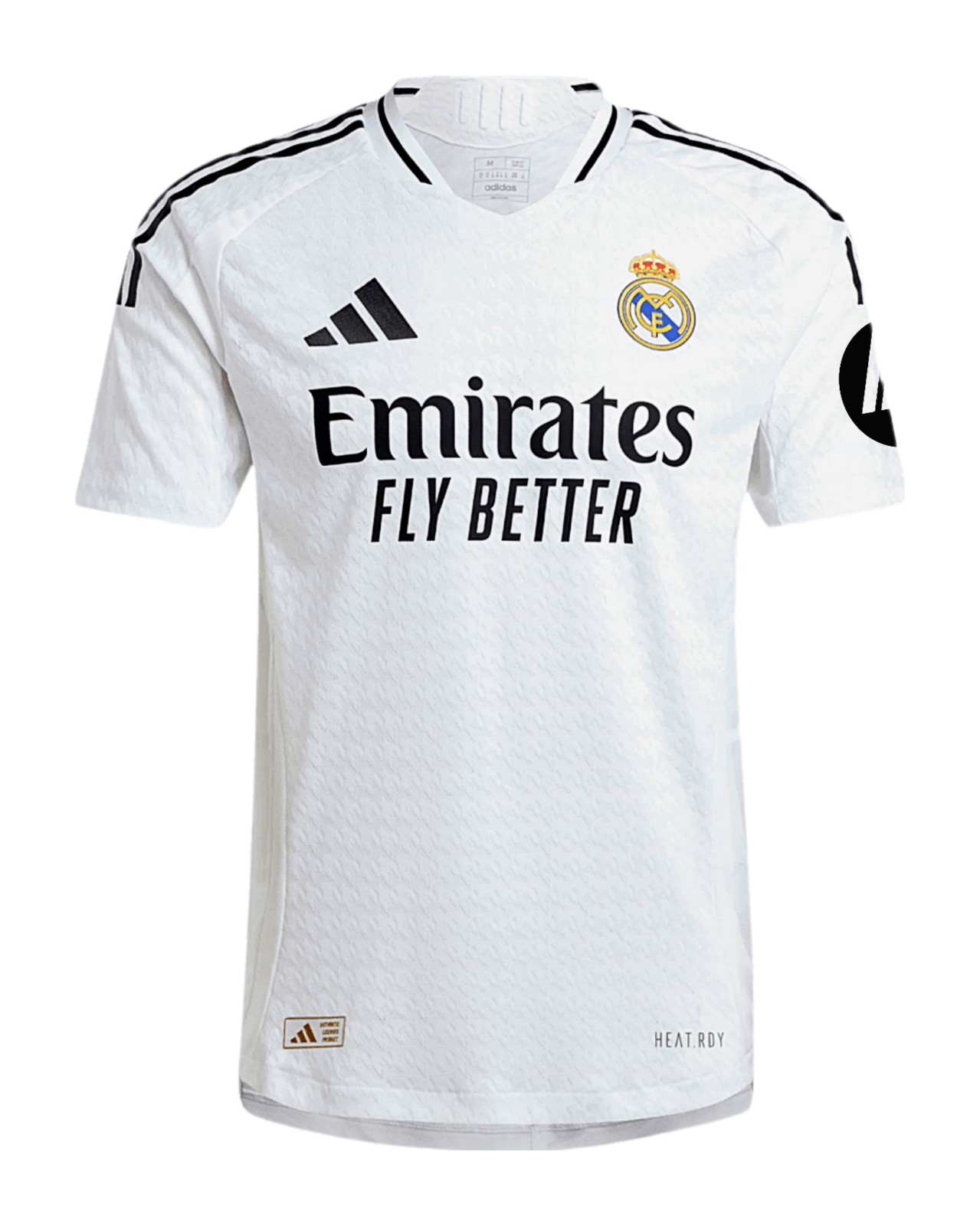
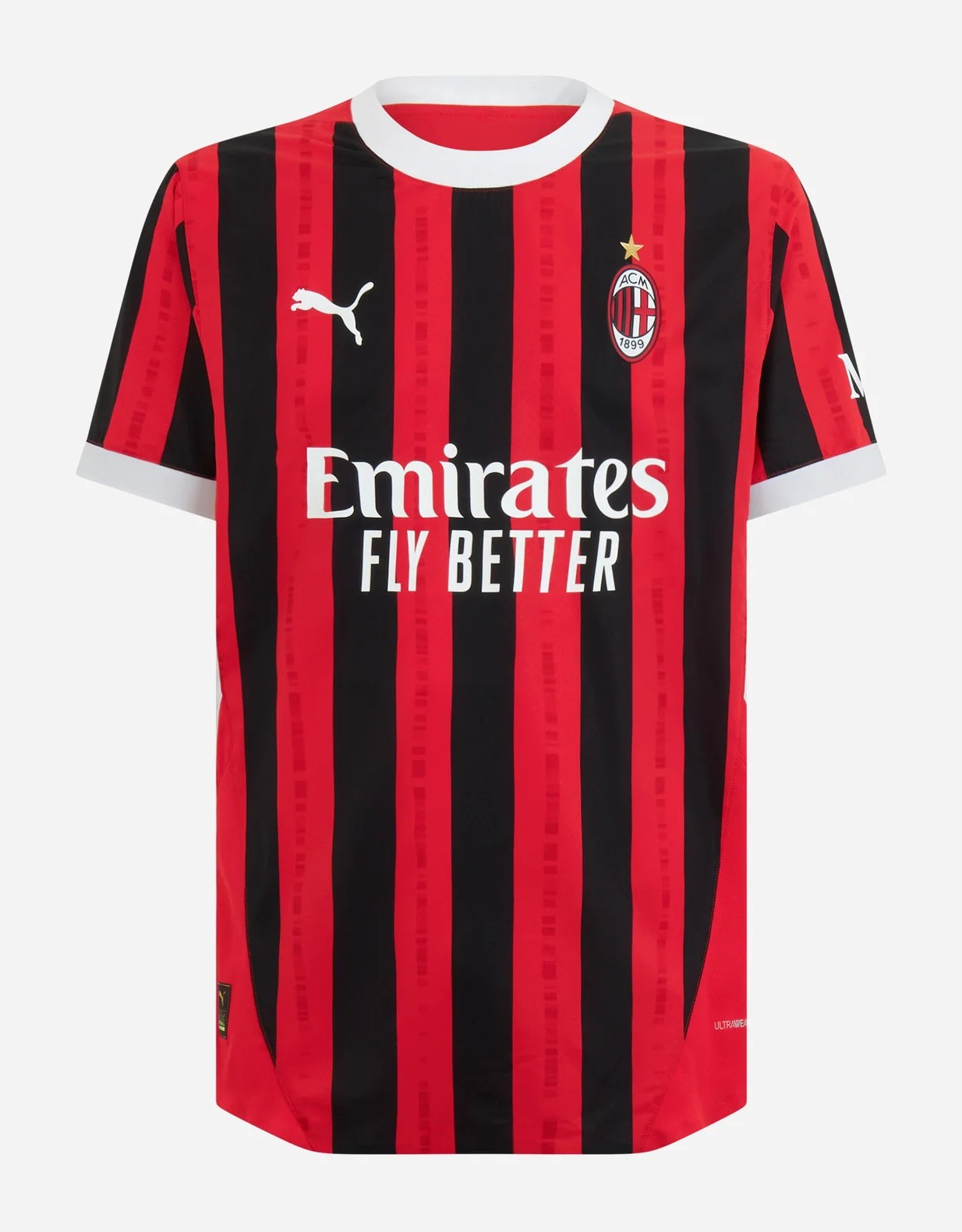
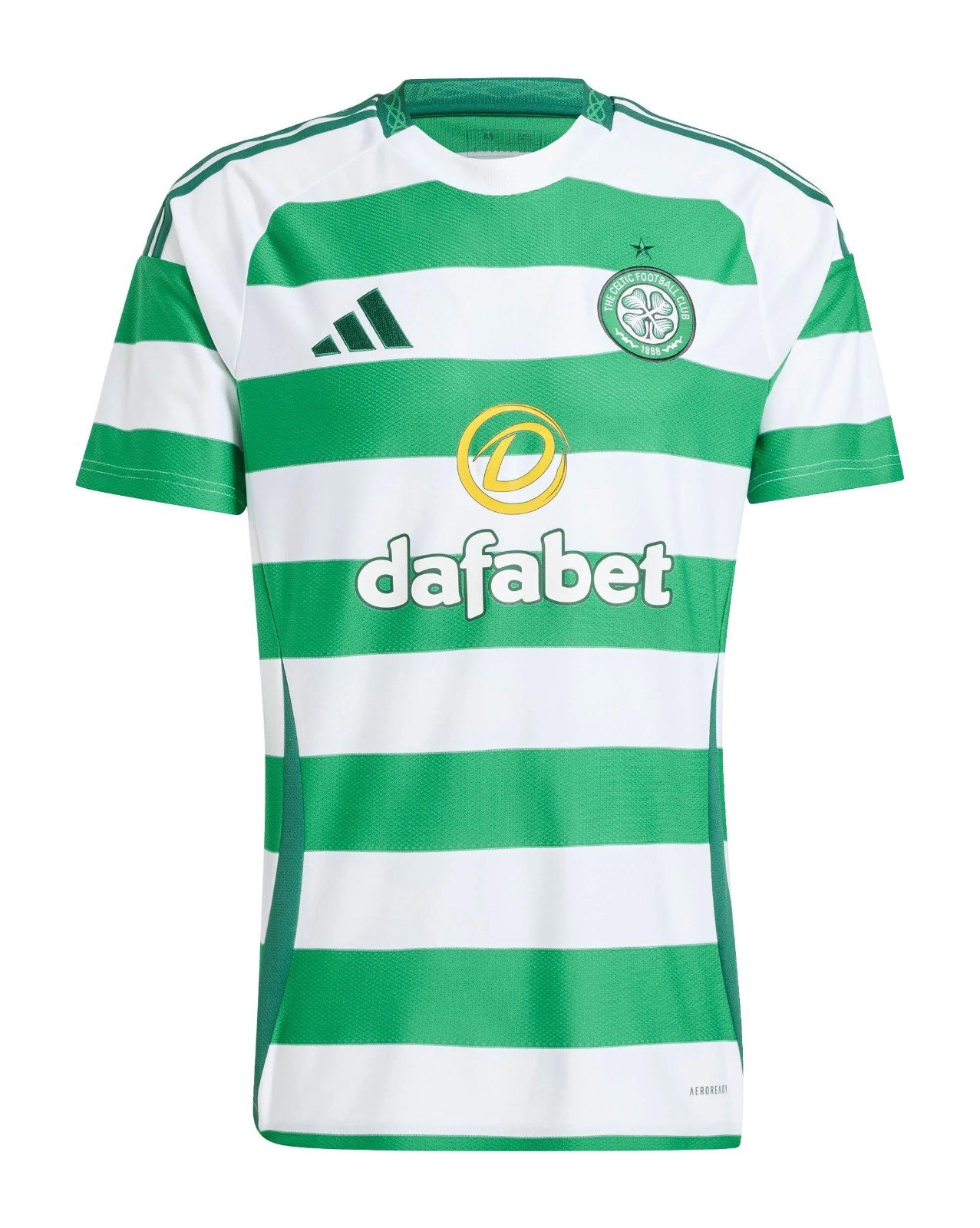
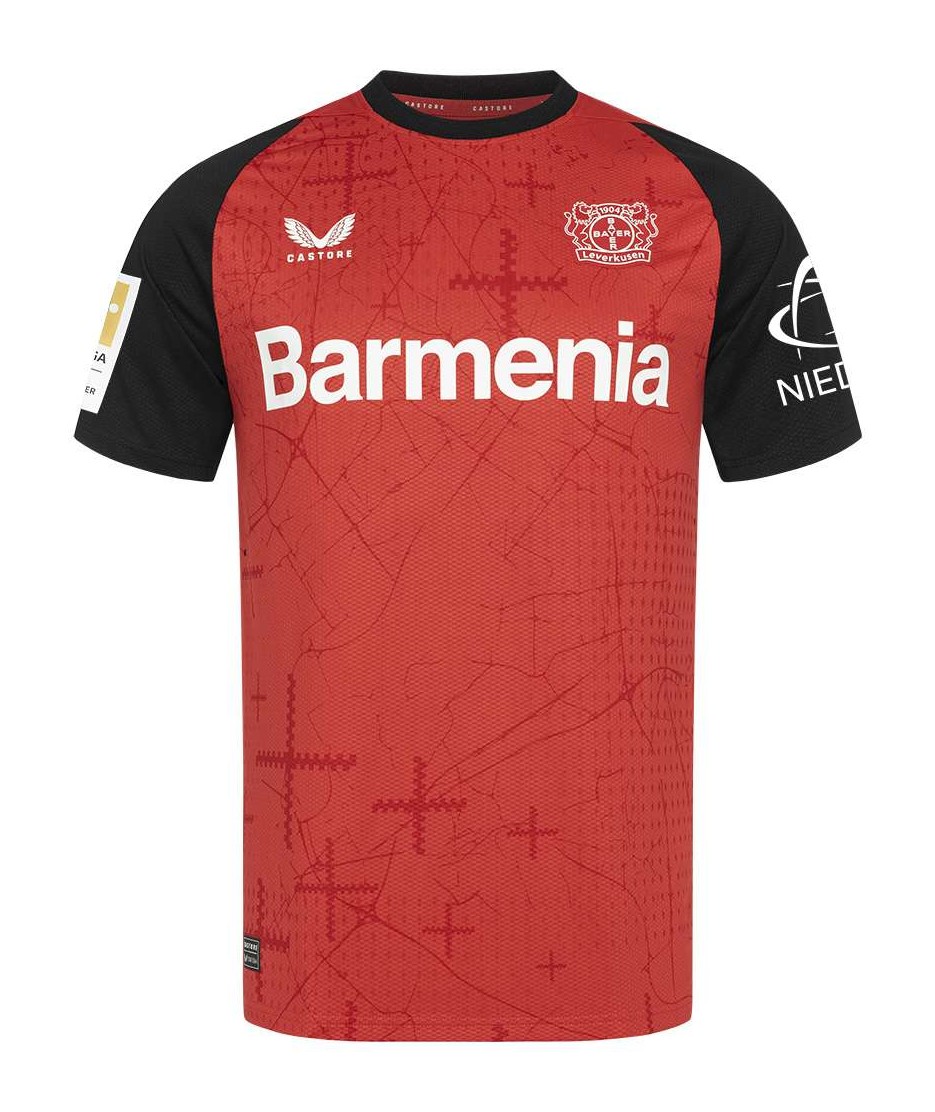
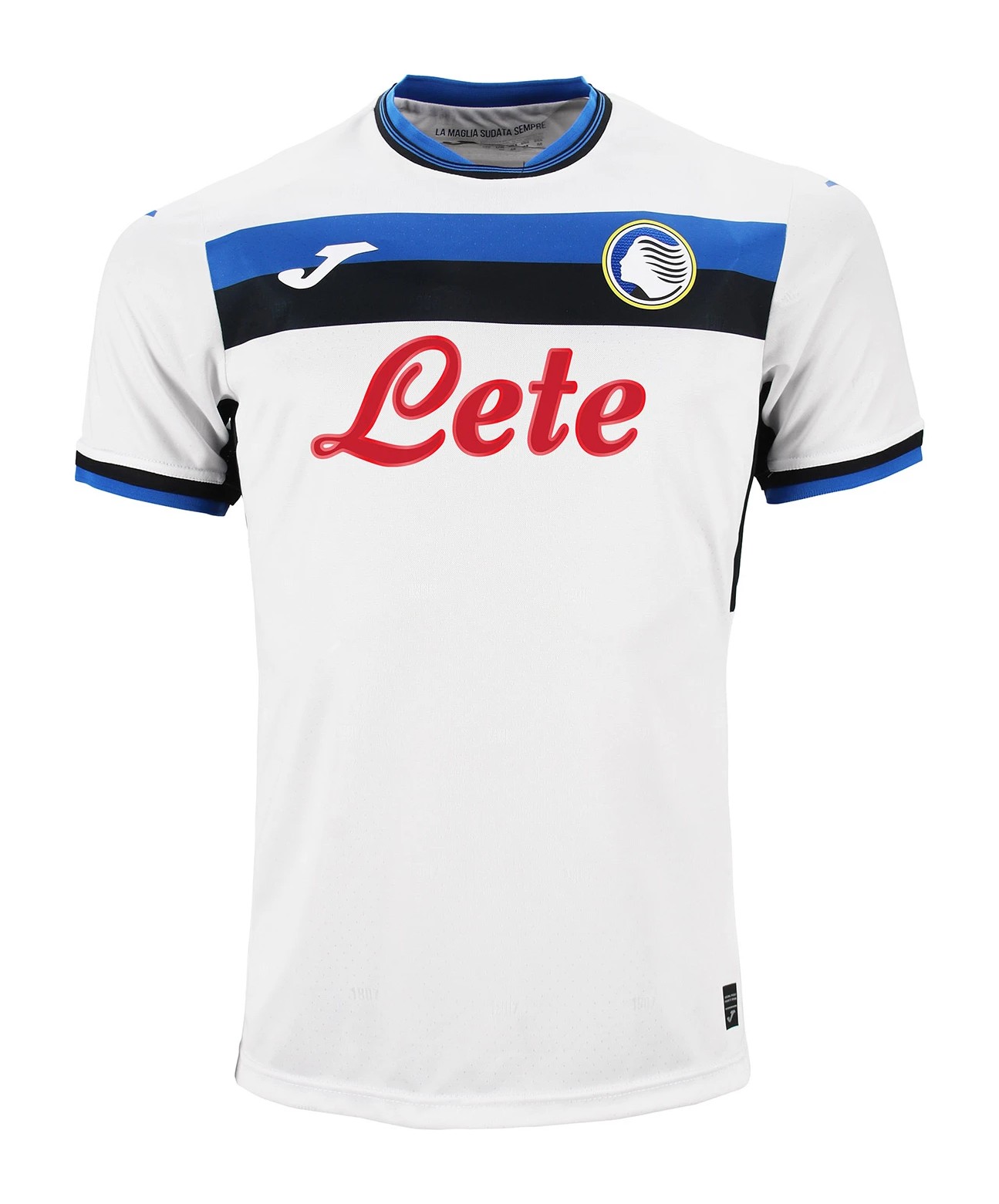
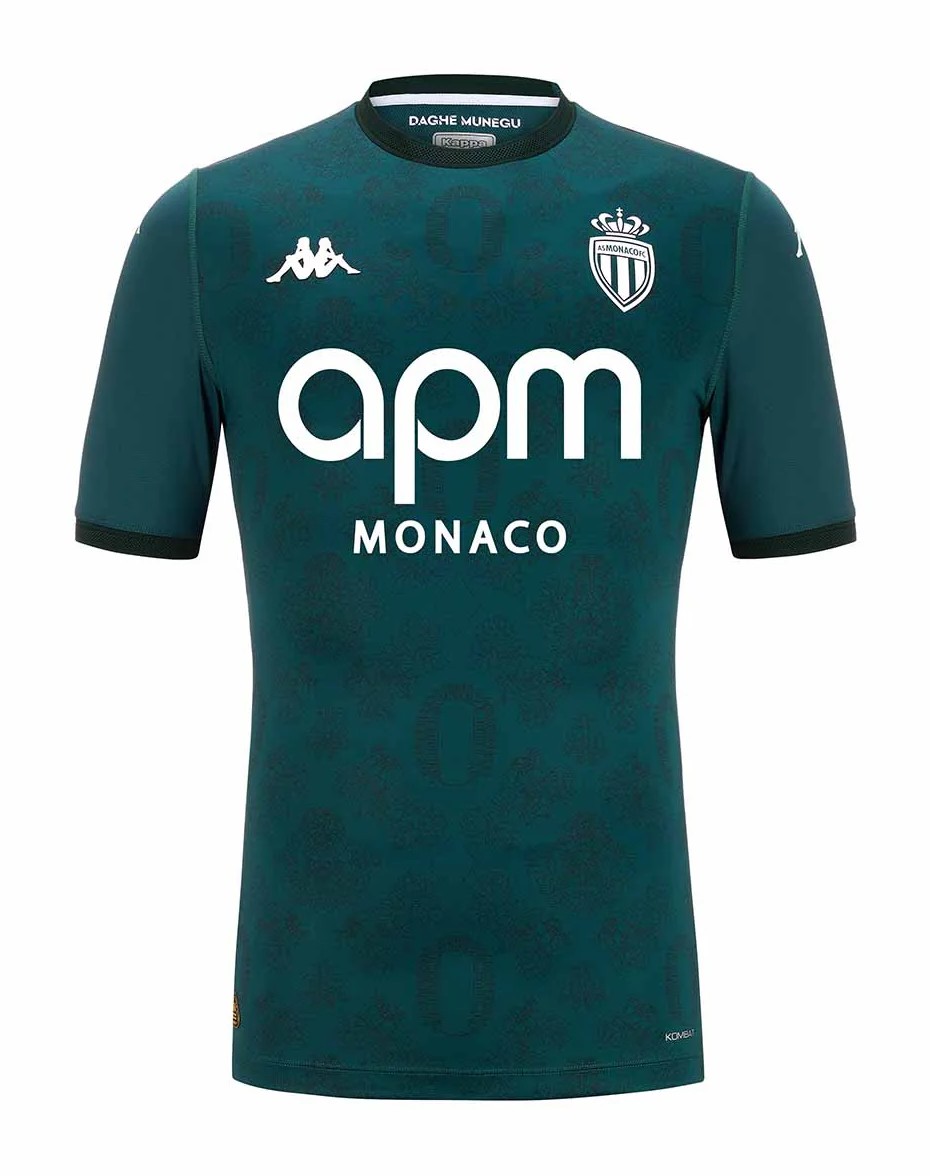
The NBA's partnership guarantees a consistent product, but at the cost of creative dynamism. In contrast, football's multi-brand system demonstrates that true innovation is born from competition, resulting in richer designs and more authentic team identities.